
Introduction
When Malaysian users research online platforms, reliability is often the most important concern. Before considering usability, features, or accessibility, users want reassurance that a platform behaves consistently and predictably. This is especially true for users who are new or cautious.
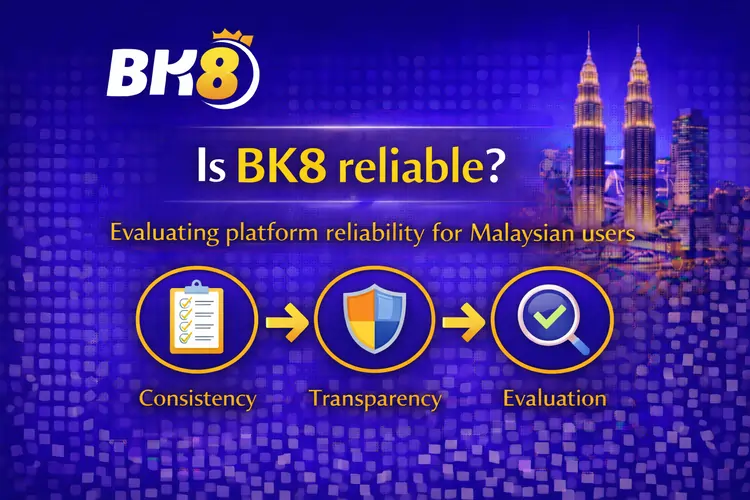
This article explores is BK8 reliable from an educational and awareness-focused perspective. It does not promote or persuade. Instead, it explains how reliability is commonly evaluated, what factors users should consider, and how informed awareness helps users form balanced opinions.
The goal is clarity, not assurance — helping users understand what reliability means and how to assess it responsibly.
Why Users Ask “Is BK8 Reliable”
The question is BK8 reliable reflects evaluation intent. Users are no longer in the discovery phase; they are assessing trustworthiness before deciding whether to explore further.
Common motivations include:
- Concern about consistency
- Desire to avoid negative experiences
- Need for predictable platform behaviour
- Preference for informed decision-making
This question is not about guarantees — it is about understanding.
What Reliability Means in an Online Platform Context
Reliability does not mean perfection. In digital platforms, reliability generally refers to consistent behaviour over time.
A reliable platform typically:
- Responds predictably to user actions
- Maintains stable performance
- Presents information clearly
- Avoids sudden or unexplained changes
Understanding this definition helps users evaluate reliability more objectively.
Reliability vs Popularity: Understanding the Difference
Popularity and reliability are not the same. A platform can be well-known but still inconsistent, or lesser-known but highly stable.
Reliability focuses on:
- Behaviour, not hype
- Consistency, not volume
- User experience, not visibility
When users ask is BK8 reliable, they are usually seeking behavioural consistency rather than popularity.
Platform Structure and Reliability
Structure plays a key role in perceived reliability. A well-organised platform is easier to understand and less prone to user confusion.
Structural elements that support reliability include:
- Clear navigation hierarchy
- Logical grouping of sections
- Consistent layout across pages
Predictable structure builds user confidence.
Navigation Consistency and User Trust
Navigation reliability refers to how consistently menus and links behave. When navigation changes unexpectedly, users may feel uncertain.
Reliable navigation usually offers:
- Stable menu placement
- Predictable section access
- Clear return paths
Consistency in navigation reduces cognitive stress.
Performance Stability and Reliability Perception
Performance stability is a major reliability indicator. Users notice when platforms respond smoothly and consistently.
Signs of stable performance include:
- Pages loading consistently
- Smooth transitions between sections
- Minimal interruptions
Performance stability contributes strongly to trust.
Transparency and Reliability Awareness
Transparency supports reliability by reducing uncertainty. Users trust platforms that explain themselves clearly.
Transparent platforms often:
- Provide clear information
- Use consistent terminology
- Avoid ambiguous instructions
Transparency allows users to understand what is happening and why.
Mobile Reliability for Malaysian Users
Malaysia is a mobile-first market. Reliability is often judged by how well a platform performs on smartphones.
Mobile reliability includes:
- Responsive design
- Touch-friendly controls
- Stable mobile navigation
A platform that performs consistently on mobile devices is generally perceived as more reliable.
Predictability and User Comfort
Predictability is central to reliability. Users feel comfortable when actions lead to expected outcomes.
Predictable behaviour includes:
- Similar actions producing similar results
- Clear feedback after interactions
- Minimal unexpected changes
Predictability reduces frustration and builds long-term trust.
Reliability From a Beginner Perspective
Beginners often evaluate reliability differently from experienced users. They focus on ease of understanding and lack of confusion.
Beginner reliability indicators include:
- Clear instructions
- Gentle learning curve
- Stable interface behaviour
Beginners rely heavily on consistency while learning.
Cultural Expectations of Malaysian Users
Cultural context influences how reliability is perceived. Malaysian users often value:
- Calm communication
- Respect for user choice
- Informative rather than aggressive presentation
Platforms that align with these values feel more trustworthy.
Comparing Reliability Across Platforms
Users often compare multiple platforms before deciding. Reliability becomes clearer when viewed comparatively.
Comparison factors include:
- Navigation consistency
- Performance stability
- Transparency of information
Understanding these factors helps users evaluate reliability logically.

Search Intent Behind Reliability Queries
Queries like is BK8 reliable indicate mid-to-late evaluation intent. Users are deciding whether to trust the platform enough to explore further.
This article is structured to:
- Clarify what reliability means
- Explain how users can assess it
- Avoid making promises or claims
AEO, NLP & Semantic Coverage
Search engines and AI systems favour content that explains concepts clearly. This article uses natural language and related concepts to establish semantic relevance without keyword stuffing.
How This Page Fits Your BK8 Trust Silo
This page supports your BK8 trust-focused content by linking naturally to:
- “What is BK8”
- “How BK8 works”
- “Is BK8 suitable for beginners”
- “What to know before using BK8”
It strengthens topical authority without overlap.
Long-Term Value of Reliability Content
Reliability-focused content remains relevant because trust concerns never disappear.
Benefits include:
- High-intent traffic
- Lower bounce rates
- Strong internal linking opportunities
Awareness Leads to Better Trust Decisions
Trust should be informed, not assumed. Users who understand reliability indicators feel more confident and less pressured.
Awareness helps users:
- Evaluate calmly
- Avoid assumptions
- Make responsible decisions
Final Thoughts
Asking is BK8 reliable is a responsible and thoughtful step for Malaysian users. Reliability is not about promises or popularity — it is about consistency, transparency, and predictability over time.
This guide exists to help users understand how reliability can be assessed logically and calmly. With awareness comes confidence, and with confidence comes better decision-making.
Frequently Asked Questions (FAQs)
1. Why do users ask if BK8 is reliable?
Users want to understand consistency and predictability before exploring further.
2. Does reliability mean the same thing for all users?
No. Beginners and experienced users may evaluate reliability differently.
3. Is mobile performance part of reliability?
Yes. Stable mobile performance is especially important in Malaysia.
4. Can reliability be judged before engagement?
Users can assess indicators like structure, transparency, and consistency.
5. How does this guide help users decide?
It explains reliability concepts so users can form balanced opinions.